
happy casino bonus – nya casinon med bästa välkomstbonus 2026
happy casino bonus är ett ständigt aktuellt ämne, och med nya erbjudanden som lanseras varje vecka kan det vara svårt att hålla sig uppdaterad. Denna artikel ger dig en samlad bild av nuläget och vad som komma skall. Genom att läsa vidare får du insikt i hur marknaden fungerar. Ett tips är att alltid kontrollera hur happy casino bonus 2032 är definierat, eftersom det kan skilja sig åt mellan olika sajter.
utländska casino primebestcasino.com mga — test | utländska casino primebestcasino.com mga
See also:
- Allt du behöver veta om happy casino bonus 2033
- Bonusar och kampanjer hos happy casino i korthet
- Vanliga misstag med happy casino bonus 2033 och hur du undviker dem
- happy casino bonus 2032: Enkla steg för att kräva din bonus
- happy casino i korthet
- Skärmdump av happy casinos bonus- och kampanjsida
- Så fungerar happy casino bonus 2032: svar på vanliga frågor
- happy casino kampanjkoder och hjälp med spelproblem
Allt du behöver veta om happy casino bonus 2033
fair play is a principle that extends far beyond the boundaries of a playing field, encompassing the ethical framework that governs human interaction in competitive and collaborative contexts alike. At its core, fair play demands that all participants adhere to a mutually agreed-upon set of rules, not merely in letter but in spirit, ensuring that no individual or team gains an undue advantage through deception, exploitation of loopholes, or deliberate violation of norms. This concept is deeply rooted in the history of organized sports, where early codifications of games like cricket, football, and rugby sought to standardize conduct and prevent disputes, but its relevance has since expanded into business, politics, education, and everyday social exchanges. In a sporting context, fair play manifests in tangible behaviors: a soccer player voluntarily returning the ball to the opposition after an injury stoppage, a tennis player conceding a point when a line call is questionable, or a cyclist waiting for a rival who has suffered a mechanical failure. These actions, though they may cost a competitor a momentary advantage, reinforce the integrity of the competition and build trust among participants, spectators, and governing bodies. The philosophical underpinnings of fair play draw from classical virtue ethics, particularly the Aristotelian notion of justice as giving each person their due, and from modern theories of impartiality, such as John Rawls’s concept of the veil of ignorance, where rules are designed without knowledge of one’s own position in the game. Moreover, fair play is not a passive acceptance of rules but an active commitment to sportsmanship, which includes respecting opponents, officials, and the environment, as well as maintaining grace in victory and defeat. In professional sports, where financial stakes and national pride are high, fair play often faces severe pressures, leading to controversies like doping scandals, match-fixing, and deliberate time-wasting, which highlight the fragility of ethical standards without robust enforcement and cultural reinforcement. Educational institutions have long recognized the formative power of fair play, integrating it into physical education curricula to teach children about empathy, accountability, and the value of playing by the rules, which translates into broader life skills such as negotiation, teamwork, and conflict resolution. In the corporate world, fair play is synonymous with ethical business practices, including transparent accounting, honest advertising, and equitable treatment of employees and suppliers, as exemplified by companies that voluntarily adopt fair trade certifications or publish sustainability reports. Political arenas also invoke fair play when candidates agree to debate formats, campaign finance restrictions, or recount procedures, though the ideal often clashes with partisan interests, necessitating independent oversight and judicial review to preserve legitimacy. The digital age has introduced new frontiers for fair play, such as online gaming where cheaters use aimbots or wallhacks, and social media platforms where algorithms may amplify misinformation, prompting developers to implement anti-cheat systems and content moderation policies that strive for impartiality. Yet, fair play is not without its critics, who argue that in highly competitive environments, strict adherence to rules can disadvantage those who lack resources or who face systemic biases, leading to calls for equity adjustments, such as handicap systems in golf or affirmative action policies in hiring, which aim to level the playing field metaphorically. The concept also intersects with cultural relativism, as different societies may interpret what constitutes fair behavior differently, for instance, in the acceptability of trash-talking in basketball versus the strict decorum expected in sumo wrestling, requiring cross-cultural dialogue to establish universal principles without imposing one group’s norms on another. International bodies like the International Olympic Committee and FIFA have institutionalized fair play through awards, codes of conduct, and sanctions, yet their effectiveness is often questioned when high-profile violations go unpunished or when disciplinary processes themselves are perceived as biased. On a personal level, practicing fair play requires self-regulation, the ability to resist the temptation to cut corners, and the humility to acknowledge one’s own mistakes, which can be cultivated through reflection, mentorship, and exposure to diverse perspectives. Psychological research suggests that individuals are more likely to exhibit fair play when they perceive the rules as legitimate, when they have a sense of belonging to a community, and when they believe that others will reciprocate, indicating that fair play is a social contract that thrives on mutual reinforcement. In team dynamics, fair play fosters cohesion and morale, as players who feel that their efforts are rewarded based on merit rather than favoritism are more motivated and loyal, whereas perceived unfairness can lead to disengagement, sabotage, or even physical altercations. The legal system also embodies fair play through principles like due process, the presumption of innocence, and the right to a fair trial, which ensure that all individuals, regardless of status, are treated according to established laws rather than arbitrary whims, though the implementation of these principles often lags behind their theoretical ideals, particularly for marginalized groups. Economic theories of fair play extend to market regulations, where antitrust laws prevent monopolies from stifling competition, and consumer protection laws require honest labeling, aiming to create a level playing field for both producers and buyers, yet the rise of gig economies and algorithmic pricing poses new challenges to these frameworks. In environmental contexts, fair play is invoked in discussions of climate justice, where developed nations, having historically emitted more greenhouse gases, are called upon to bear a greater burden in mitigation efforts, reflecting a principle of intergenerational fairness that extends beyond immediate competitors to future generations. The arts and academia also uphold fair play through citation standards, plagiarism policies, and peer review processes, which ensure that intellectual contributions are recognized based on originality and merit, though the pressure to publish or perish can sometimes tempt researchers to cut corners or engage in p-hacking, undermining the very integrity they seek to uphold.
Bonusar och kampanjer hos happy casino i korthet
- 500 gratissnurr på första insättningen
- kr500 i bonus med 25 gratissnurr
- 200% upp till kr750 i bonus
- 50x omsättningskrav
- 40x genomspelning inom 7 dagar
Vanliga misstag med happy casino bonus 2033 och hur du undviker dem
drop and win — the phrase that echoes through the corridors of every competitive arena, from the hushed tension of a chess grandmaster’s final move to the roaring chaos of a stadium’s last-second shot. It is a mantra for the bold, a promise whispered in locker rooms and shouted across digital battlefields, encapsulating the moment when all preparation, all sacrifice, and all discipline converge into a single, decisive action. To drop is to release the weight of hesitation, to let go of the safety nets that cushion failure, and to commit fully to the path that leads to victory. It is the act of setting down the shield of doubt and picking up the sword of certainty, knowing that the only way to win is to risk losing everything. In the world of high-stakes poker, dropping a hand can be as strategic as going all-in, but here, the phrase means the opposite: to drop your guard, your ego, and your fear, and to embrace the chaos of competition with open arms. The win, then, is not merely the scoreboard’s final tally but the transformation that occurs within the competitor — the quiet satisfaction of having given everything, the clarity that comes from knowing you left nothing on the table. Consider the marathon runner who, at mile twenty, feels the wall of exhaustion crash against her will; she drops the narrative of impossibility and wins a private battle against her own limits. Or the startup founder who, after months of rejection, drops the polished pitch and speaks from raw conviction, winning over a skeptical investor with authenticity instead of perfection. In team sports, the phrase takes on a collective dimension: a basketball team trailing by ten points with two minutes left does not panic but drops into a zone of hyper-focus, executing plays with robotic precision, and wins through the alchemy of shared trust. The concept extends beyond athletics into art, where a painter drops the need for approval and wins the freedom of self-expression, or a musician drops the sheet music and wins the soul of improvisation. Even in everyday life, we face micro-versions of this challenge: the student who drops the fear of failure and wins the knowledge of a difficult subject; the parent who drops the need to be perfect and wins a deeper connection with a child; the employee who drops the comfort of routine and wins the opportunity of a promotion. The beauty of ‘drop and win’ lies in its simplicity — it strips away the complexity of strategy and reduces success to a binary choice: hold on or let go. But the simplicity is deceptive, because dropping requires immense courage, the kind that is forged in the fires of repeated failure and tempered by the wisdom of experience. It is not about recklessness; it is about calculated surrender, a deliberate release of control that paradoxically gives you more control over the outcome. In the digital age, where we are bombarded with distractions and constant comparisons, dropping takes on an even deeper meaning: dropping the constant need to check notifications, dropping the fear of missing out, dropping the curated persona we present to the world, and winning the authenticity that others instinctively trust. The phrase also resonates in the realm of personal development, where dropping limiting beliefs — ‘I’m not good enough,’ ‘I don’t deserve success,’ ‘It’s too late for me’ — is the first step toward winning a life of purpose and fulfillment. Every champion, whether in sports, business, or relationships, has a story of a pivotal moment when they had to drop something precious to gain something greater. A boxer drops his pride to learn from a defeat and wins the title in the rematch. A scientist drops a beloved hypothesis when data contradicts it and wins a Nobel Prize for the alternative. A couple drops the need to be right in an argument and wins a stronger bond. The phrase is a call to action, a reminder that the distance between where you are and where you want to be is often just a single act of letting go. It is not about winning at all costs; it is about winning at the cost of your illusions, your excuses, your comfortable mediocrity. When you drop the weight of what others think, you win the freedom to define your own success. When you drop the fear of judgment, you win the courage to create boldly. When you drop the past, you win the present. And when you drop the need for certainty, you win the adventure of the unknown. In the end, ‘drop and win’ is not just a phrase; it is a philosophy of life, a lens through which we can view every challenge as an opportunity to shed what holds us back and embrace what propels us forward. It is the battle cry of the resilient, the anthem of the determined, and the quiet prayer of those who know that true victory begins with the willingness to let go.
expekt poker — bankrullehantering | expekt casino
Vår guide till happy casino bonus täcker bonusar, spelutbud och säkerhet.
happy casino bonus 2032: Enkla steg för att kräva din bonus
happy casino i korthet
| Feature | Details |
|---|---|
| Big win potential | 84,700x bet |
| Bonus | 125 bonus up to 250 |
| Slot variety | 1878+ slots |
| Spelbolag | Spelinspektionen |
| Withdrawal time | 1-5 days |
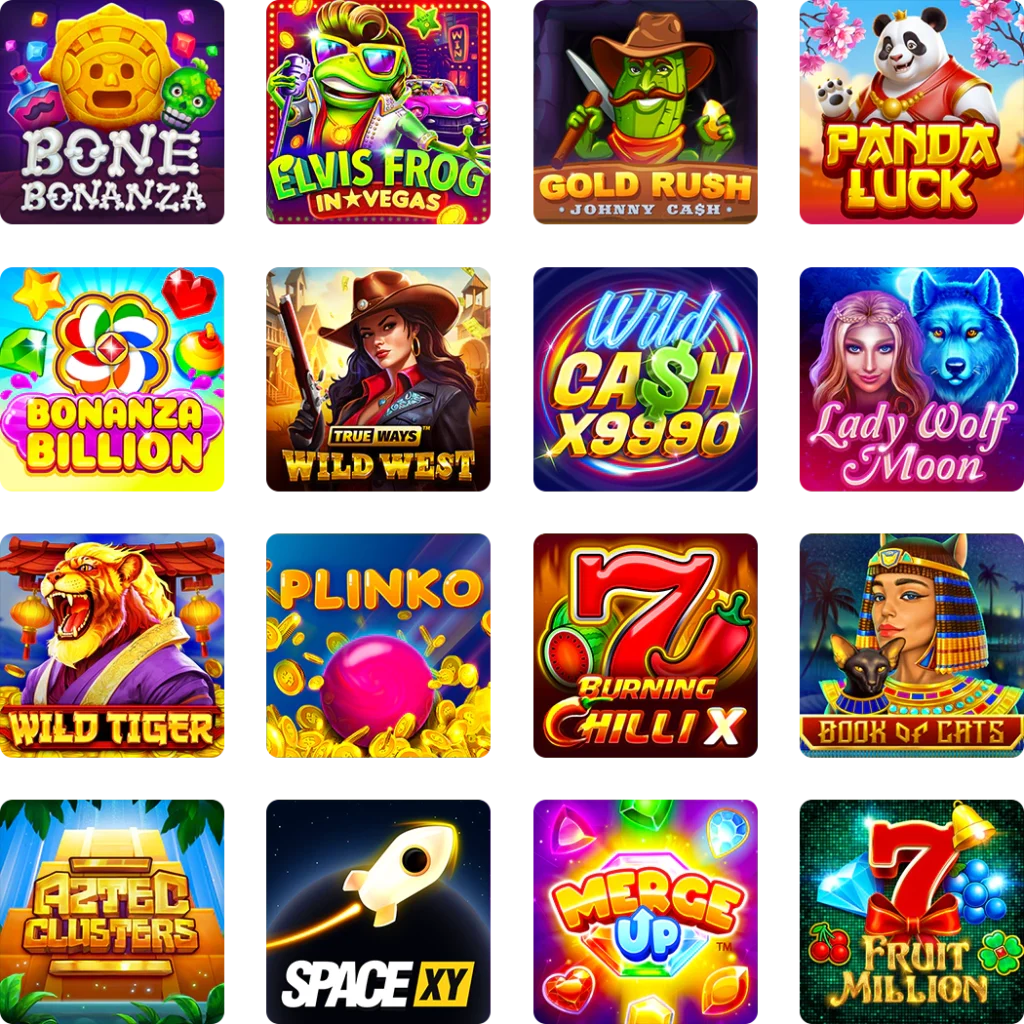
Skärmdump av happy casinos bonus- och kampanjsida
casino rtp 2026 — högsta utbetalningarna
Så fungerar happy casino bonus 2032: svar på vanliga frågor
Vad är välkomstbonusen hos happy casino?
happy casino erbjuder en generös välkomstbonus för nya spelare, ofta inklusive både bonuspengar och free spins. Det exakta beloppet kan variera, men du hittar alltid aktuella erbjudanden på deras hemsida.
Hur omsätter jag min bonus hos happy casino?
Alla bonusar hos happy casino har ett omsättningskrav på 30x omsättningskrav inom 30 dagar gånger bonusbeloppet. Du måste uppfylla detta krav inom angiven tid för att kunna ta ut dina vinster.
Finns det en no-deposit bonus hos happy casino?
Ja, happy casino erbjuder ibland no-deposit free spins eller bonuspengar utan att du behöver göra en insättning. Dessa kampanjer är dock ofta tidsbegränsade och kan kräva en kampanjkod.
Hur fungerar lojalitetsprogrammet hos happy casino?
happy casino belönar aktiva spelare genom sitt lojalitetsprogram, där du tjänar poäng för varje spel. Poängen kan sedan växlas till bonuspengar, free spins eller andra förmåner, och högre nivåer ger bättre belöningar.
Vad är minimiinsättningen för att få bonusen?
För att kvalificera dig för välkomstbonusen hos happy casino krävs en minimiinsättning på kr25. Se till att uppfylla detta villkor för att aktivera erbjudandet.
happy casino kampanjkoder och hjälp med spelproblem
Kom ihåg att spel endast är för personer som fyllt 18 år. happy casino innehas av en licens från Spelinspektionen, Sveriges spelmyndighet. För dig som behöver stöd eller vill stänga av dig från allt spel, använd Spelpaus.se – den nationella självavstängningstjänsten. Om du känner att spelandet blivit ett problem kan du kontakta Stödlinjen på 020-81 91 00 för kostnadsfri och anonym hjälp. Sätt alltid upp egna insättnings- och tidsgränser och se spelet som underhållning – aldrig som ett sätt att vinna tillbaka förluster. Spela ansvarsfullt.
